Conflicting case-status wording and unsupported suspect conclusions have been revised. Generated-image language has been corrected. The opening carousel contains mixed material whose image-by-image provenance still needs checking; no image in that carousel is authenticated by this article. The original inquest and a 1935 newspaper item have now been checked and are linked below. They support the corrected witness account and the historical findings described here; the case’s current official status and remaining source gaps are not resolved.





Jean MacKenzie inspired this site, I’ve long held an interest in true crime and data science.
Welcome to the world of true crime and data science. Today, we dive into the case of Jean McKenzie, whose brutal murder shook up the working-class and lively suburb of South Melbourne, put the community on edge, and grabbed the locals’ attention.
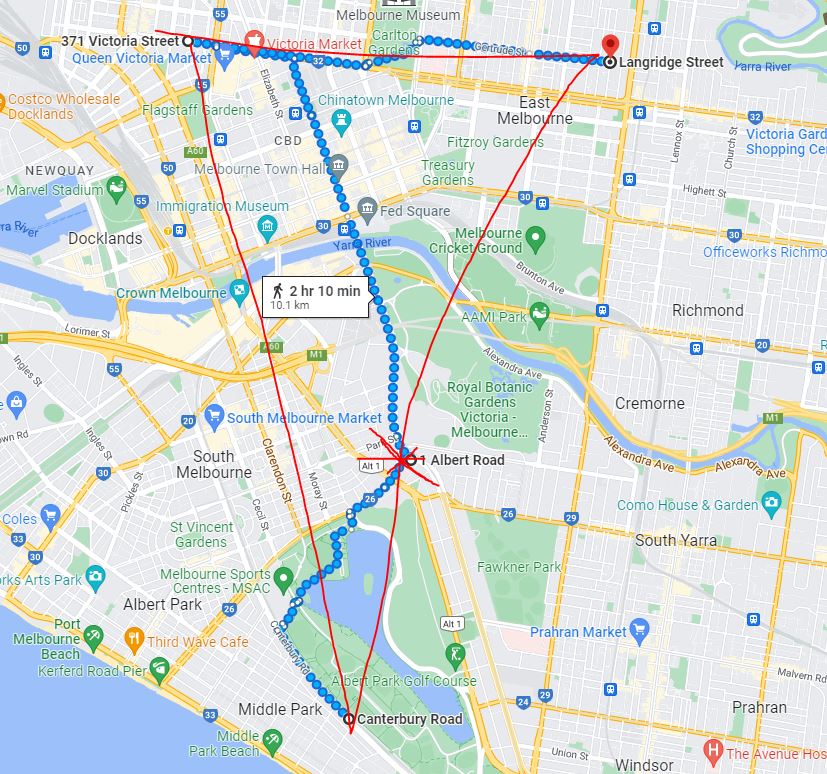
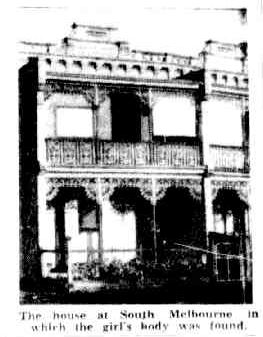
Jean McKenzie was a 21-year-old woman living in 1 Albert Road, Princes Terrace, South Melbourne, just off St Kilda Road, in 1934. On a Friday evening, June 8th, her housemates, Harry Blom and his wife Myrtle Blom, found her dead. Her murder would be just one of many in Melbourne in roughly 30 years, shocking this typically working-class and industrial suburb just minutes from tranquil beaches, beautiful gardens.
People at the time had strong opinions about what happened in this case, but in my research, I became interested in the Jean McKenzie case when I noticed a number of inconsistencies in news reports over the years. It’s a historical case, so that’s almost a given, but there were also a lot of tantalizing clues that I felt hadn’t been fully explored. I thought that perhaps data science and machine learning might help uncover more clues and resolve some of the inconsistencies.
Let’s start at the beginning. St Kilda Road, South Melbourne, Australia in 1934. Life in Australia in the 1930s was very different from what it is today. For one thing, the population was much smaller. There were only about 7 million people living in Australia in 1930, compared to more than 24 million today. The economy was also very different. Australia was a very rural country in the 1930s, with most people living in small towns or on farms. The main industries were agriculture and mining. There was no such thing as the internet or television, and most people only had radio for entertainment.
Jean’s murder would shake up the working class and lively suburb of South Melbourne, put the community on edge, and grab the locals’ attention. If you’ve never been to Melbourne, it’s an amazing amalgamation of cultures. Melbourne is known for being one of the most livable cities on earth. Much of the time insinuated as ‘the Sporting Capital of the World,’ other than this, it is similarly famous for its graffitied laneways, incredible coffee, and the bayside region. It’s a destination for tourists and a home for artists. At night, there’s always food, drinks, and music, thousands of people travelling down St Kilda Road to Flinders Street Station or the universities.
On the night of June 7, 1934, Jean had a man over to her room in a house in Princess Terrace, St. Kilda Road. St Kilda Road, a major thoroughfare in Melbourne, underwent a significant change in land use from parkland to residential properties in 1875. The western side of the road was alienated and sold for residential purposes, leading to the construction of numerous houses for Melbourne’s wealthy society. This development established St Kilda Road as one of Australia’s fashionable boulevards.
During the 1920s and 1930s, many of the large properties were converted to flats and guest houses, such as the houses at 452 and 478 St Kilda Road. However, in the early 1960s, St Kilda Road underwent another major land-use change when multistoried offices replaced the mansions. One of the first multi-storey developments along this major thoroughfare was the British Petroleum House at the junction of Albert and St Kilda Roads. The contractors for the twenty-two storey building were the prominent firm Costain Hansen and Yuncken.
During the 1880s, in Melbourne’s boom period, speculators took an interest in housing and reduced large crown allotments to long, narrow house sites, building rows of closely-spaced, two-storey houses. Many terrace houses like those in Victoria Avenue were built in suburbs like Fitzroy, Collingwood, Carlton, South Melbourne, Parkville, South Yarra, and East Melbourne. Some terrace houses were built in groups of three, four, or six, while others were built individually and inserted between larger terraces.
These terrace houses had flamboyant fronts with parapets and stuccoed urns, elaborate iron lace to balustrades, and verandas. However, they concealed a street scape behind of back lanes, bluestone cobbles, corrugated iron fences, and unpainted Hawthorn bricks. The terrace house became the characteristic house style of the inner suburbs.
Harry Blom testified that he heard raised male and female voices while visiting Mr Ward’s neighbouring room on the night of 7 June. He said he heard no quarrel. At about 12:30 a.m. he saw Jean at the front door with someone who appeared to be a man, but could not say whether their conversation was friendly or unfriendly and could give no description of the man. Source: inquest, printed pp.6–8 (digital images 20–22).
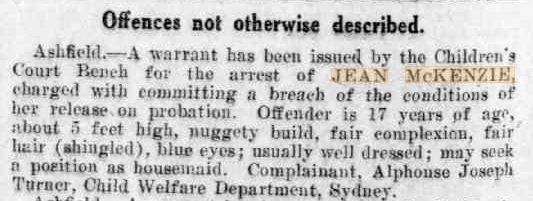
Harry and Myrtle Blom were fellow residents. Their landlady was Mrs Maskell. According to Harry’s testimony, he and Myrtle went to Jean’s room at about 8:45 p.m. on 8 June. After getting no reply, Myrtle opened the locked door with a spare key; both then saw that Jean was dead. Source: inquest, printed pp.8–9 (digital images 22–23). She had been brutally beaten, and her face was unrecognizable. The detectives began to investigate and found out that Jean had been using different names and moving around a lot to avoid someone. They also found out that she had been in court before for accosting men. They took her fingerprints and found that they matched the fingerprints of a woman with the same description who had been arrested some years earlier.
The community was also buzzing with speculation about who could have committed such a heinous crime. Jean’s murder shook the working-class suburb of South Melbourne, and everyone was on edge. People who lived in the area were afraid that a killer was on the loose, and many were afraid to leave their homes. The local newspapers were filled with sensationalist headlines about the case, and people discussed the details of the murder over dinner tables and in pubs.
As the investigation progressed, the police began to look into potential suspects. They discovered that Jean had a history of using different names and moving around frequently, which made it difficult to track down anyone who might have known her well. However, they did uncover some information that they thought might be useful. For example, they found out that Jean had been in court before for accosting men, which led them to believe that she may have had some kind of dispute with someone on the night of her murder.
The historical reporting discussed here does not by itself establish the case’s current official status.
This historical case raises questions about the relationship between newspaper reporting, archival evidence and later interpretation. The analysis below explores ways to organise that material; it does not establish who killed Jean McKenzie.
One of the tools we can use is the Trove database, which is maintained by the National Library of Australia. Trove is a vast collection of digitized newspapers, articles, photos, and other historical resources that can be searched and analyzed using various data science methods.
To begin the investigation, I started by using some keywords from the articles about the murder case, such as the victim’s name, location, and time frame. Then, I applied these keywords to the Trove database to search for relevant articles and documents.
Using a simple k-means clustering Python script, I used “Jean McKenzie” as a general search term, and with the help of the Trove API, I was able to return article headings, which I grouped into key investigation phases. Using this information, I was able to group the articles into five phases for solved cases and three phases for unsolved crimes. The phases were as follows:
For Solved Cases:
- Initial crime
- Investigation
- Solved
- Trial
- Sentence
For Unsolved Cases:
- Initial crime
- Investigation
- Unsolved
Knowing these phases made it a lot easier to navigate through the articles and databases. I was able to find the murder inquest containing testimony from Mr. & Mrs. Blom, the deaf housemate, police, a friend, and several other witnesses. I was also able to locate a photo of Jean, albeit a badly damaged one.
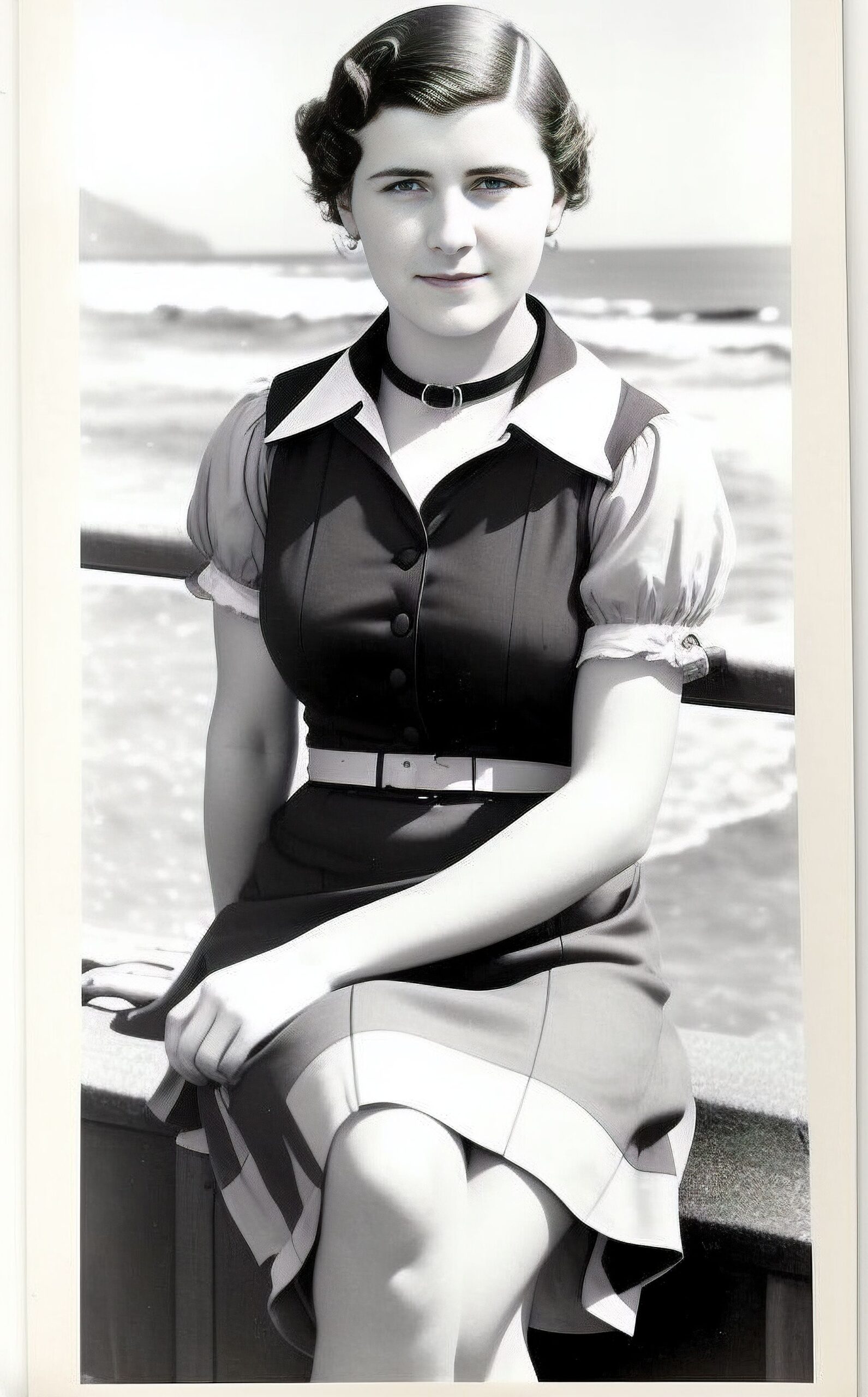
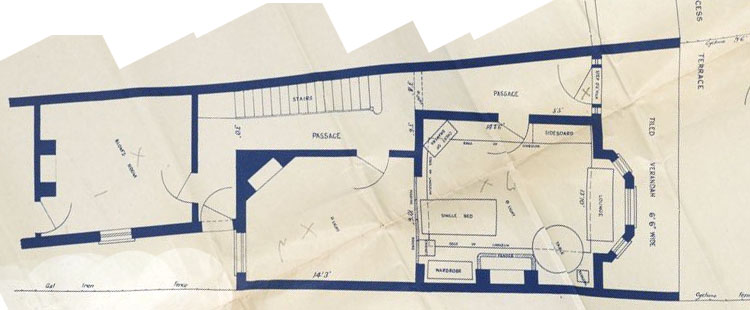
Stable Diffusion was used to create illustrations from historical photographs and written prompts. Generated features can differ from the source material and cannot be treated as recovered detail, identification evidence or a reliable reconstruction of the scene. Original archive images and plans should be read separately from these illustrations.
I also found the inquest into her murder, which contained floor plans of the townhouse where Jean was killed. This was an exciting find, as it gave me a better understanding of the layout of the crime scene.
The case comparisons and mapped locations considered here are research hypotheses. Similarities between reported incidents, or a person’s association with selected addresses, do not establish involvement in Jean McKenzie’s death. No direct evidential link is presented here. A defensible comparison would need dated source records, a clear selection method and consideration of evidence that does not fit the hypothesis.
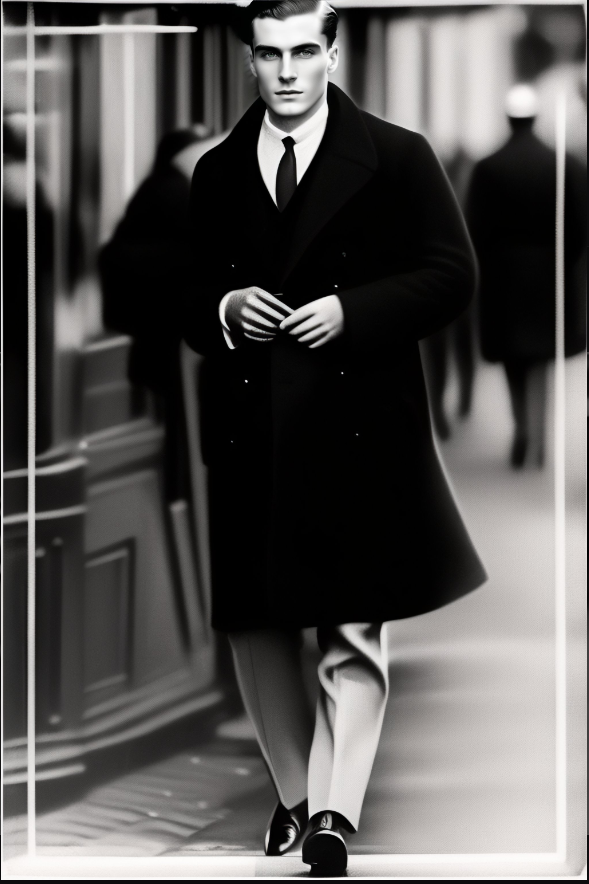
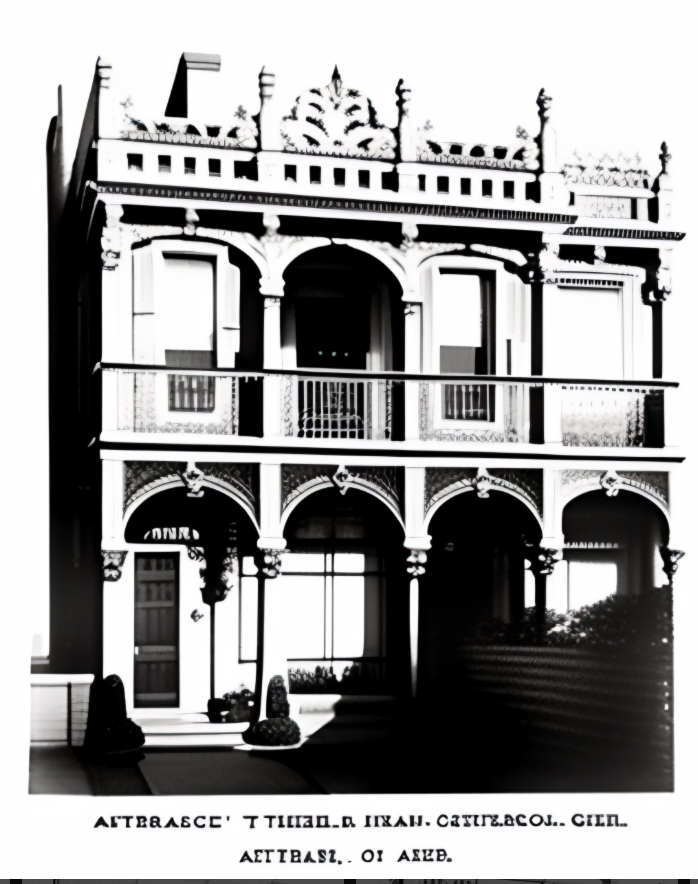
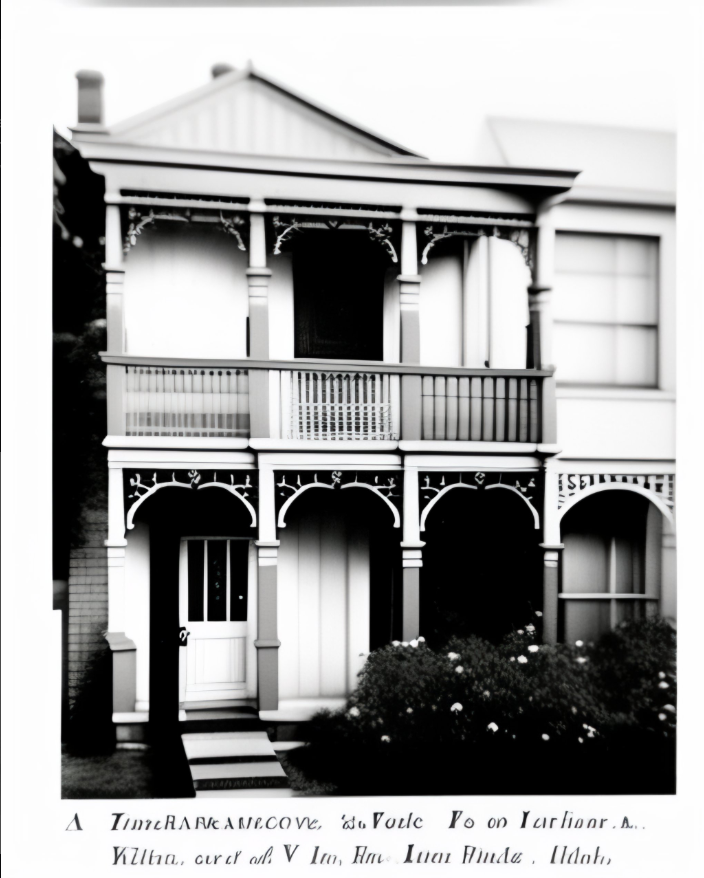
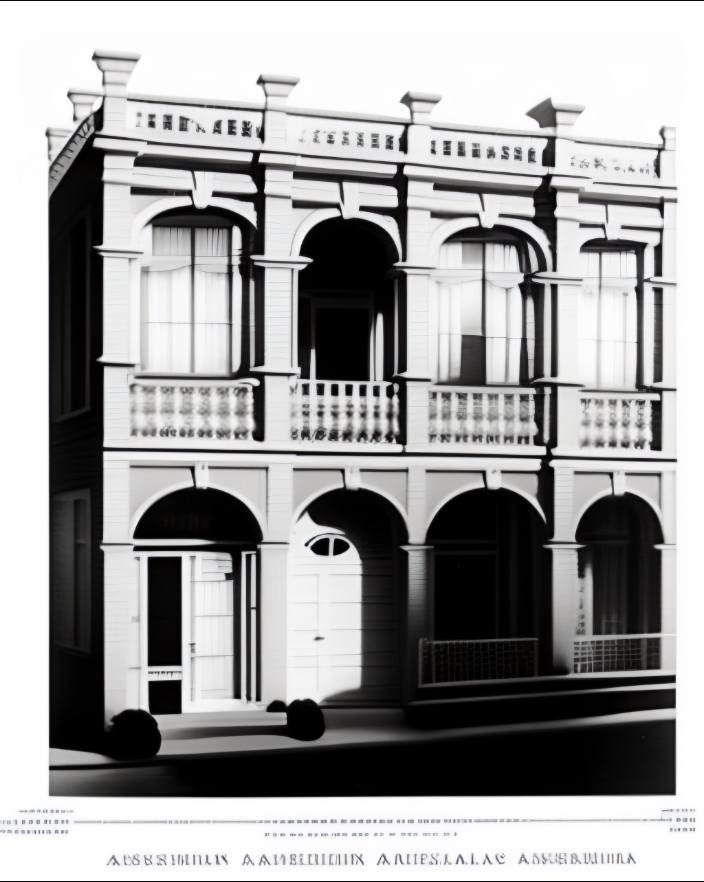
AI-generated portraits and scene illustrations are modern interpretations. They may contain invented details and should not be used as historical evidence.
| Scene Description | AI Image Generation Prompt |
|---|---|
| A photo of Jean McKenzie | Generate a realistic 1930’s portrait of a 21-25 year old woman with dark hair sitting on a seawall in st kilda, based on a black and white photograph. |
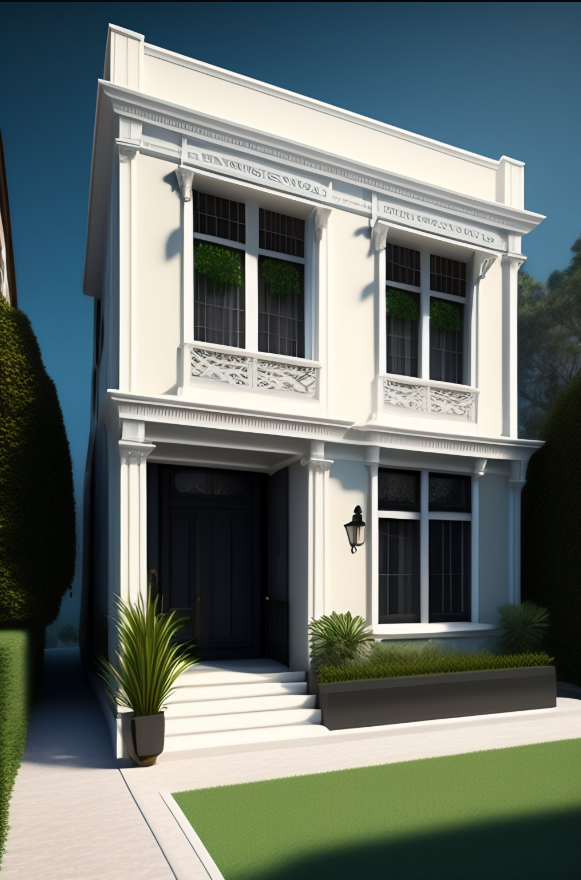
| The townhouse where the murder took place | Generate a realistic 1930’s 3D image of an australian two of two-story townhouses with a white facades and a wrought-iron fences. The houses has a small front yard with a garden and a narrow pathway leading up to the front door. The windows on the ground floor have white frames and are decorated with potted plants. The second floor has a small balcony with a wrought-iron railing, overlooking the street. |
| The crime scene with evidence markers | Create an image of the crime scene of the Jean McKenzie murder case with evidence markers. The crime scene should include a two-story townhouse with a distinctive front door and balcony. The door and balcony should be visible in the image. Evidence markers should be placed throughout the scene, marking items of interest and potential evidence. The markers should be numbered and visible in the image. Items of interest to be included in the image are a bloodied cord, a discarded cigarette butt, and a broken vase. The overall tone of the image should be somber and evoke a sense of mystery and intrigue. |
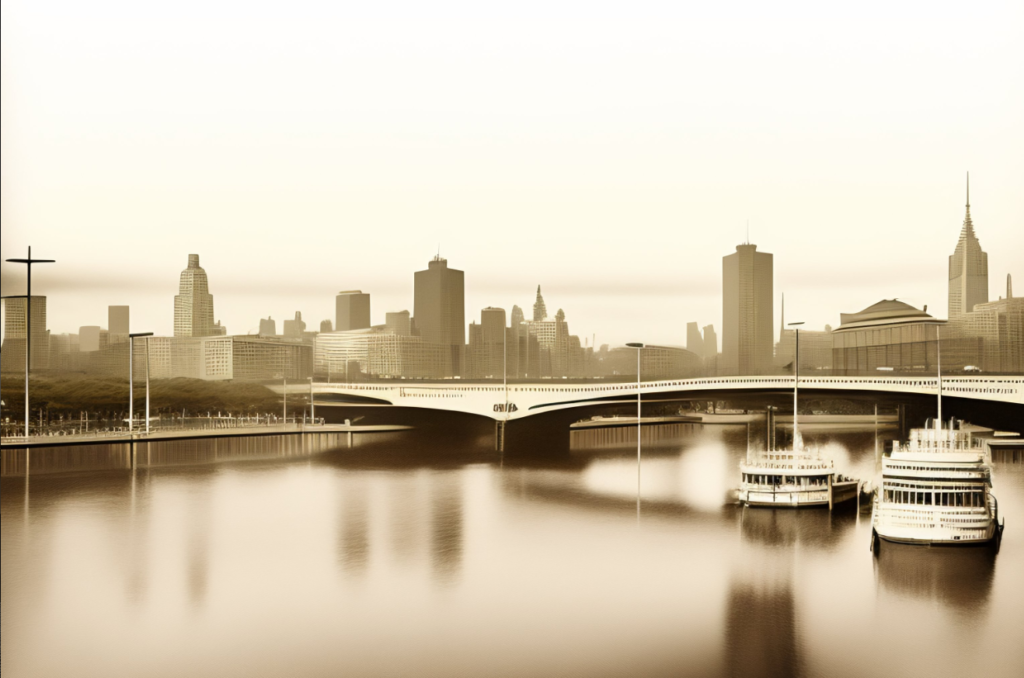
| A map of Melbourne with key locations marked | Generate a realistic 1930’s photo of Melbourne, with key locations flinder street station, the shrine of remembrance, the yarra river clearly marked. |
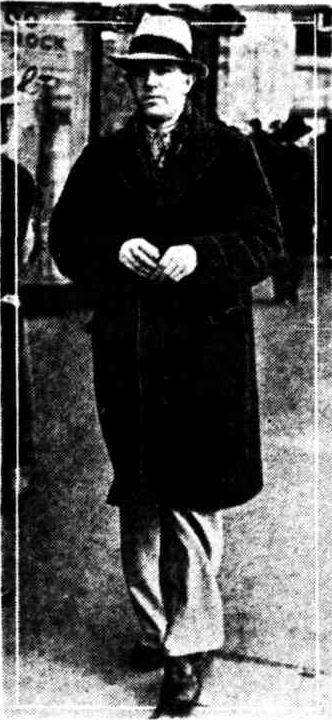
| A photo of the potential suspect from England | Generate a realistic portrait of a man with a thin face, deep-set eyes, and a receding hairline, based on a black and white photograph. |
| The courtroom during the inquest | Generate a realistic 3D rendering of the courtroom, with key figures from the inquest (e.g., the coroner, the detectives, the witnesses) in their respective positions. |
| A recreation of the potential suspect’s suicide attempt | Generate a realistic depiction of the potential suspect lying in a hospital bed with bandages around his throat, based on a description from hospital admission records. |

AI-generated illustrations. These modern interpretations may contain invented or altered details and should not be used as historical evidence.


Archival searching can organise reports, identify contradictions and suggest questions for further research. The comparisons presented here do not identify Jean McKenzie’s killer.
To carry out this analysis, I used various data science tools and methods, including web scraping and data cleaning, natural language processing (NLP) for text analysis and clustering, and data visualization to make sense of the results.
I used Python programming language and various Python libraries such as Pandas, NumPy, and Scikit-learn to process the data and run the analysis. I also used Github to store the code and share the results with other researchers and interested parties.
The inquest finding dated 2 November 1934 recorded that Jean had been murdered by a person or persons unknown. A later brief report in Tweed Daily on 28 October 1935 claimed that police had received news implicating an American sailor who had died by suicide. That report does not name the man or supply the underlying police evidence. These sources establish what was recorded and reported at those dates; they do not establish the case’s current official status.
This project uses data analysis to organise historical reporting and identify questions for further research. Any proposed connections require independent verification. Further conclusions depend on source-level checking and evidence independent of the proposed theory.